
The Woolcock Institute of Medical Research
Every breath you take
For many people experiencing breathlessness, finding the right diagnosis can be a frustrating and sometimes lengthy journey. Shortness of breath, coughing and fatigue can arise from a range of causes including respiratory or cardiac disease, changes in fitness or age-related factors.
For general practitioners, distinguishing between these causes early can be challenging. Patients may require multiple investigations, specialist referrals and repeated appointments before the underlying cause becomes clear.
Our Clinical Management research group is working on a new approach using advanced breath analysis technology that could help transform the way respiratory conditions are identified and managed, bringing more information closer to the point where patients first seek care.
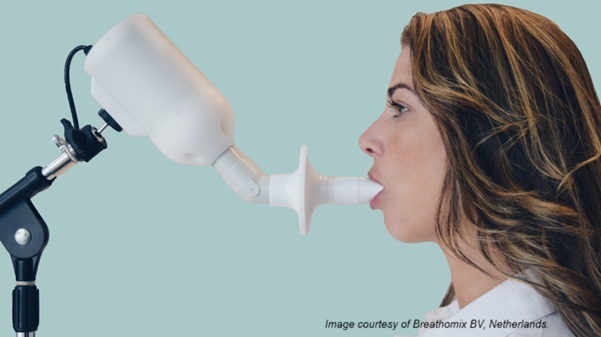
They will be using a device called the SpiroNose, an electronic nose that analyses the unique chemical patterns found in a person’s exhaled breath. Every breath contains hundreds of volatile organic compounds produced by biological processes occurring throughout the body. Together, these compounds create a unique molecular signature — a “breathprint” — that can provide insights into what is happening within the lungs and airways.
By collecting, analysing and storing breathprints from those living with asthma or other conditions, and from healthy patients, they’re hoping they can train it to recognise patterns associated with respiratory conditions or lung abnormalities and become a simple, non-invasive tool to help clinicians to recognise breath patterns associated with different diseases.
EMERGING SCIENCE
The science behind this approach is known as breathomics — a rapidly developing field of research that explores the thousands of molecules contained within human breath and what they can reveal about health and disease.
While clinicians have long understood that breath can provide clues about the body, advances in analytical technology, combined with artificial intelligence and machine learning, have opened new possibilities for using breath as a diagnostic resource.
Rather than searching for a single marker of disease, breathomics looks at complex patterns of chemical compounds. These patterns can reflect changes in biological processes, including inflammation, metabolism and the function of different organs and tissues.
Researchers worldwide are investigating how breathprints could support the detection, monitoring and management of a wide range of conditions, including respiratory diseases, cancer and metabolic disorders. The appeal of breathomics lies in its simplicity: breath collection is quick, painless and repeatable, creating the potential for new approaches to personalised and preventative healthcare.
The growth of breathomics reflects a broader shift towards less invasive, data-driven precision medicine, where technology can help clinicians make faster and more informed decisions closer to the point of care.
Want to stay up to date with the Woolcock's research on sleep and respiratory conditions?
Sign up to our quarterly newsletter
NO-FUSS DIAGNOSIS
For patients being assessed with the SpiroNose, the process is straightforward. They simply breathe into the device while it captures and analyses their exhaled breath. There are no needles, invasive procedures or complex preparation required.
The potential benefit is significant: helping GPs reach the right diagnosis sooner and guiding patients towards the most appropriate care pathway earlier. By providing additional information at the point of care, breath analysis could help reduce delays, avoid unnecessary investigations and support more targeted treatment decisions.
For someone experiencing breathlessness, the difference between several possible explanations can have a major impact. Identifying whether symptoms are linked to asthma, COPD or another cause is critical to ensuring patients receive the right support and treatment.
The SpiroNose forms part of the Woolcock Clinical Management research group’s broader research effort to understand how breath analysis can contribute to the future of healthcare. As our researchers build larger datasets and refine artificial intelligence models, technologies like this have the potential to become valuable tools in supporting clinical decision-making.
The SpiroNose is not intended to replace a doctor’s assessment or existing diagnostic tests. Instead, it provides another source of information — helping clinicians bring together the available evidence and make more informed decisions.
Ultimately, the aim is simple: to make every breath provide more information, helping clinicians find answers sooner and helping patients access the right care at the right time.
Find out more
Share online
Donate
We are committed to understanding and eradicating these conditions. If you would like to support our research please click the donate button.

Subscribe
Sign up with your email address to receive quarterly newsletter updates, including the latest medical findings and breakthroughs in respiratory and sleep research.
We Need Volunteers for our research











PRIVACY: The Woolcock Institute of Medical Research recognises the importance of your personal information and privacy. We will use your provided details only to contact you about information we believe will be of interest to you. Read our full Privacy Policy.
Woolcock Institute of Medical Research is a not-for-profit charity. Donations of more than $2 are tax deductible. Copyright © 2026. ABN: 88 002 198 905